November 9 – 12, 2026 || Ras Amba Hotel
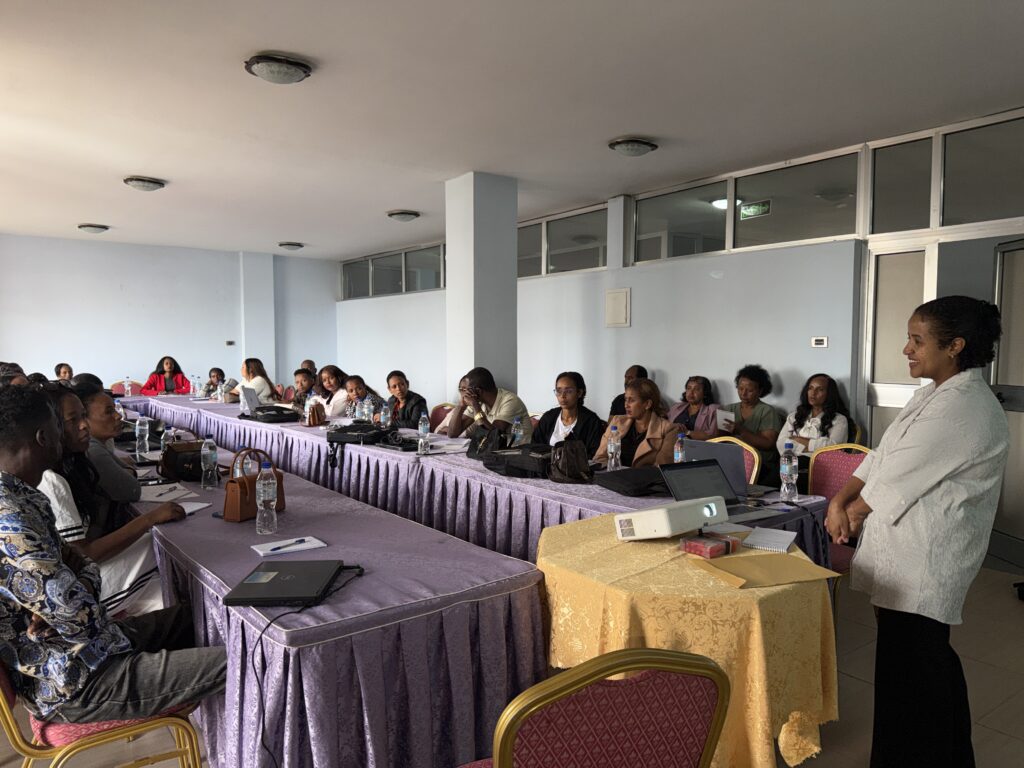
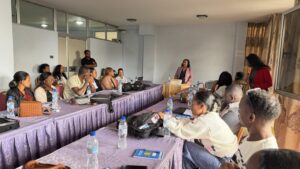
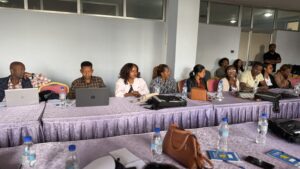
Women Health Association of Ethiopia (WHAE) organized its annual capacity building and health conference which is aimed at strengthening staff capacity, organizational effectiveness and raising awareness on women’s economic empowerment and health issues. Regional and Head Office staff as well as government stakeholders (Steering Committee members) from all the regions have attended the meeting.
Day One Welcome Speech and Training
The conference opened with welcoming remarks by Emebet Mahmoud, Executive Director of WHAE, who highlighted the objectives of the meeting and presented the agenda for the four-day conference. She emphasized the importance of continuous capacity building, knowledge sharing, and strengthening staff capabilities to improve program implementation and organizational performance as well as collaborations.
Training on Monitoring and Evaluation
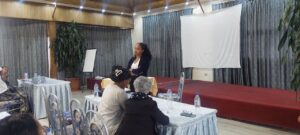
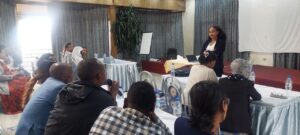
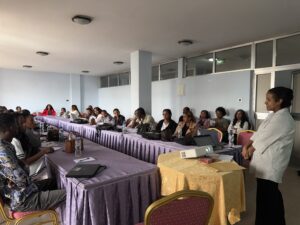
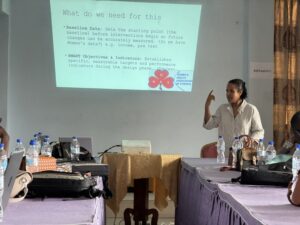
Birikit Terefe, Advisor to the Director, gave an interactive training on the need for having Quality Data for Monitoring and Evaluation. The training started by asking participants practical questions about their daily project activities and reporting experiences. It focused on:
- basic definitions of monitoring and evaluation
importance of establishing baseline data before project interventions begin
appropriate indicators to measure progress and achievements.
reliable data collection and documentation systems
regular monitoring and reporting routines.
means of verification to support reported information.
Proper data recording, storage, and management.
what information is currently being reported, what is missing, which activities are
underreported, and how incomplete reporting affects the information consolidated
and presented by the Head Office.
improving the quality of project data
enhancing the organization’s capacity to document and measure outputs
complete reporting project achievements and results
Dr. Honelign Nahusenay from Circle M&E Service subsequently facilitated a refresher training on DHIS2. The session provided participants with an opportunity to refresh their knowledge of the system, raise questions, and receive practical explanations and guidance on challenges they had encountered while using the platform.
Day two Financial Inclusion Training and Discussion with Regional Staff
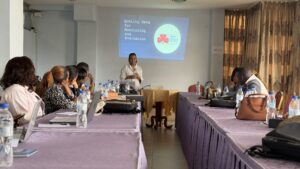
Ato Yoseph Getachew, Founder and Chief Executive Officer, Zuri Capital, provided training on Financial Inclusion as a means to:
- economically empower women
creating access to the financial sector to women which is for the most part dominated by men
enhancing their decision making power.
Training covered issues such as definition, inflation, supply chain, loan repayment, fund diversion, high interest rate, financial planning and financial literacy, accessing digital micro loans for MSEs etc.
Housekeeping
A meeting was held with regional staff which provided an opportunity to raise operational issues and personal benefit issues. The Executive Director listened to the concerns raised and indicated that appropriate follow-up actions would be considered to address the issues.
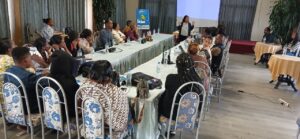
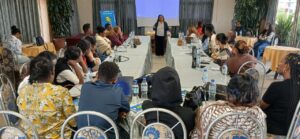
Day Three Policy Manual Presentation and Discussion
Head Office staff made presentations on selected organizational policy manuals, including:
- Risk Management Policy
Complaint Handling Procedures
Code of Conduct
Disaster Prevention and Preparedness
Public Relations and Communication Policy
Gender Policy
The presentations were followed by discussions and recommendations aimed at strengthening staff understanding of the policies, promoting consistent implementation, and reinforcing organizational standards.



Day Four Linking WHAE Outreach Activity with Government Health Extension Program
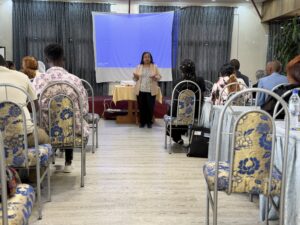
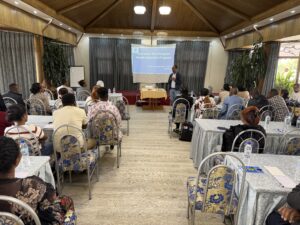
Ato Yehualaw Getahun and Ato Abebaw Asnake from the Ministry of Health provided training on the government Health Extension Program, proving background, the merits and decline of the program and the new road map to enhance the program as well as challenges and achievements.
The session emphasized the importance of strengthening partnerships between government health structures and organizations working at the community level to address the multiple and interconnected health challenges facing women. Government stakeholders and WHAE regional representatives actively participated in the discussion, raising issues, sharing experiences, and positively reflecting on recent developments in the implementation of the Health Extension Program.
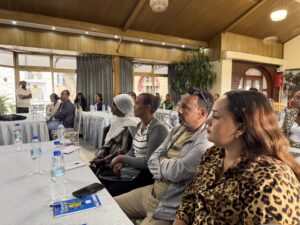
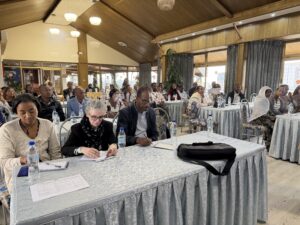
Training on Birth Defects
Dr. Mahider Deju, from ReachAnother Foundation, Program Director for Ethiopia, gave a presentation on neural tube birth defects from, raising awareness about the causes and risk factors, consequences, prevention, and available services for children affected by these conditions. Training focused on:
- Unplanned pregnancy and absence of prescreening as the main predisposingfactor in Ethiopia
Folic acid deficiency as the main risk
Plights of children with birth defects
Burden on mothers who are single moms for the most part
Encouraging planned pregnancy as a means of prevention neural tube defects
Encouraging folic acid intake during pregnancy
Available services at the Zewditu Memorial Hospital
The conference provided an important platform for knowledge and experience sharing, capacity development, and discussions on strengthening collaboration between WHAE
and government institutions. The meeting was adjourned on November 12, 2026.